On this page
Rhode Island at a glance
No new registrations- Status
- No new registrations (2024 law)
- Where you can drive
- Grandfathered trucks only: roads posted 35 mph or less
- Speed rule
- Road limit for grandfathered trucks: posted 35 mph or less; crossings only at controlled intersections
- Interstates
- No road use for new owners; grandfathered trucks only where posted 35 mph or less
- Title / registration
- DMV must refuse new Kei registrations and every transfer
- Inspection
- Grandfathered trucks stay under the normal state rules
- Emissions
- Not applicable to new owners
- Key law
- Rhode Island General Laws 31-3-5(10) and 31-1-3(l)
Is a Kei Truck street legal in Rhode Island?
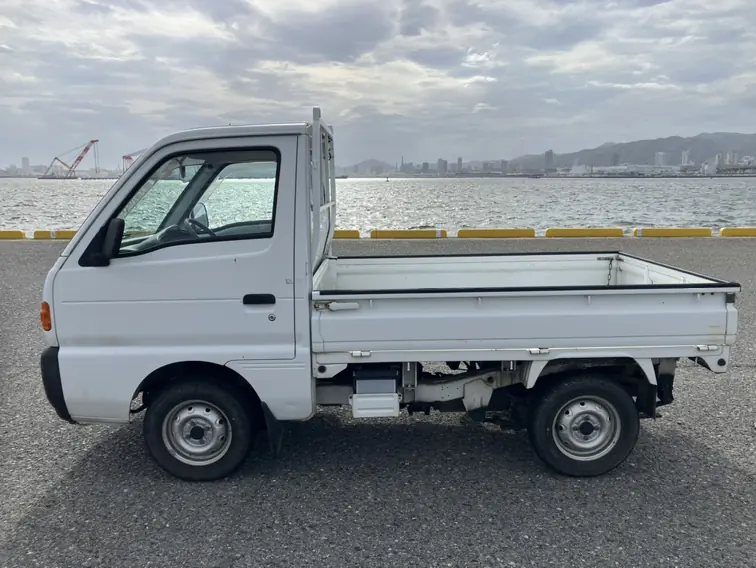
No, not for anyone registering one now. In 2024 Rhode Island added Kei vehicles to the list of reasons the Division of Motor Vehicles (DMV) must turn down a registration. Section 31-3-5(10) of the General Laws took effect July 1, 2024, through two matching public laws (P.L. 2024, ch. 414 and 415). The refusal covers new registrations and any transfer of an existing one.
The definition sits in 31-1-3(l). It covers four-wheeled vehicles of the Japanese Kei class brought in under the federal 25-year exemption, with a 660cc or smaller engine, and at most 130 inches long, 78 inches tall and 60 inches wide. Mini-trucks and microvans are named, so Kei Vans fall under the same rule. Owning one is still legal; registering one is not.
What can a grandfathered Kei Truck do in Rhode Island?
Trucks validly registered before June 1, 2024 keep limited rights:
- Renewal: the DMV cannot deny a renewal based only on vehicle type. Every other refusal ground in the section still applies.
- No transfers: the registration cannot move to a new owner. Once the truck is sold, it cannot be driven on Rhode Island roads again.
- Roads: any road posted 35 mph or less, including a limited-access highway stretch posted that low.
- Crossings: a road posted 35 to 45 mph may be crossed only at an intersection with traffic signals or stop signs, and only when the roads on both sides are posted 35 mph or less.
Grandfathered owners should keep the truck in top shape, since every other refusal ground still applies and a lapse could put the grandfathered status at risk. Working lights and clear mirrors are the basics.
Can an antique plate or the 130-inch definition get around the ban?
No to the first, and not reliably to the second. Rhode Island lets a vehicle over 25 years old carry antique plates, but 31-3-5(10) blocks registration itself, so the plate type does not matter.
The length point is real but untested. The definition stops at 130 inches, while trucks built to Japan's post-October 1998 size rules are about 133.7 inches long. On paper, a newer truck falls outside the definition. That does not deliver a plate, because the DMV can still refuse on the section's other grounds, and we found no DMV statement on the issue. If you raise it, do it in writing.
What happened to the 2026 bill to lift the ban?
It died without a hearing. Three House members (Representatives Brien, Baginski and Chippendale) filed H 8510 on May 1, 2026. It would have removed the Kei refusal, held Kei vehicles to roads with a 35 mph or lower limit, let cities and towns close specific roads, and required state inspection. The General Assembly's status report shows only the committee referral, and the 2026 session ended without action on it.
Two other bills often cited online are not Kei bills. H 7577 (2026) dealt with unpaid municipal fines, and H 5145 (2025) with passenger plates for light trucks. Both were held for further study.
What can you do if you live in Rhode Island?
The honest options are private-land use, careful upkeep of a grandfathered registration, and pressure on lawmakers. Before you buy a Kei Truck here, plan for a truck that stays off public roads.
Use it on private land
Owning a Kei Truck in Rhode Island is legal. Farm, nursery, yard and other private-property use needs no registration.
Protect a grandfathered registration
If your truck was validly registered before June 1, 2024, keep proof of that date, renew on time and stay on roads posted 35 mph or less.
Do not pay extra for Rhode Island plates
A grandfathered registration cannot transfer. A Kei Truck sold with Rhode Island plates loses its road status at the sale, so price it as a private-land truck.
Skip out-of-state workarounds
Registration follows where you live and keep the truck. Titling it through an out-of-state LLC or address while it lives in Rhode Island can break residency and garaging rules and void insurance. Talk to an attorney before trying it.
Push for repeal
H 8510 would have lifted the ban in 2026 but never got a hearing. A new bill is needed in a future session, so contact your state representative and senator.
The federal side of owning one is the same in every state; see how to import a Kei Truck. For land-only setups, our off-road guide covers tires, lifts and gearing. Compare nearby states on the Kei Truck laws hub.
Frequently asked questions
Is it legal to own a Kei Truck in Rhode Island?
Yes. The 2024 law blocks registration, not ownership. You can buy, keep and use a Kei Truck on private property such as a farm, nursery or yard. What you cannot do is get a new registration for it, or drive it on public roads without a grandfathered one.
Can I buy a grandfathered Kei Truck and keep its registration?
No. Section 31-3-5(10) bars any transfer of a Kei registration, and the grandfather clause protects only the current registrant's renewals. A truck sold with Rhode Island plates loses its road status at the sale, whatever the listing says.
Where can a grandfathered Kei Truck be driven in Rhode Island?
On roads posted 35 mph or less, including any limited-access stretch posted that low. A road posted 35 to 45 mph may be crossed only at an intersection with signals or stop signs, and only when the roads on both sides are posted 35 mph or less.
Does an antique plate get around Rhode Island's Kei ban?
No. Rhode Island allows antique plates for vehicles over 25 years old, but 31-3-5(10) works by refusing registration itself, whatever plate type you ask for. The same refusal covers transfers. An antique plate does not change how the law classifies the vehicle.
Is there a bill to lift Rhode Island's Kei ban?
Not right now. H 8510 would have removed the ban in 2026 while holding Kei vehicles to roads with a 35 mph or lower limit, but it was only referred to committee before the session ended. A repeal now needs a new bill in a future session.
Are Kei Vans covered by Rhode Island's ban?
Yes. The definition in 31-1-3(l) names mini-trucks, microvans and Kei Cars brought in under the federal 25-year exemption, within the same 660cc engine and size limits. A Kei Van gets the same refusal and the same grandfather treatment as a Kei Truck.
Sources
- Rhode Island General Laws 31-3-5, grounds for refusing registration
- Rhode Island General Laws 31-1-3, definitions (Kei definition at (l))
- 2026 H 8510, removes the registration restriction for Kei vehicles (bill text)
- 2026 H 7577, unpaid fines as grounds for refusing registration (bill text)
- 2025 H 5145, passenger plates for trucks of 8,000 lb or less (bill text)
This page explains the rules in plain English. It is not legal advice. Laws change and offices apply them differently, so confirm with your state DMV or county titling office before you buy or register a truck.